
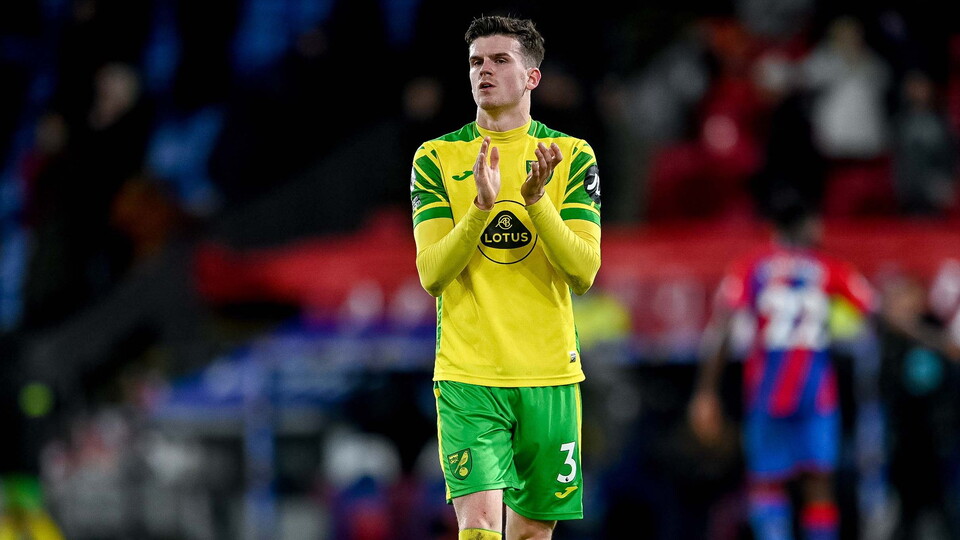
When Sam Byram left the Carrow Road pitch on February 15, it was not until he needed his boot cutting off in the changing room, such was the pain he felt in his upper leg, that he realised his hamstring injury was a severe one.
However, even in that moment, he could not have foreseen that it would take him nearly two years to return to first team action. The 28-year-old right back talked to our matchday programme OTBC about that journey and the mental strength he needed to show during that time. Here is interview in full.
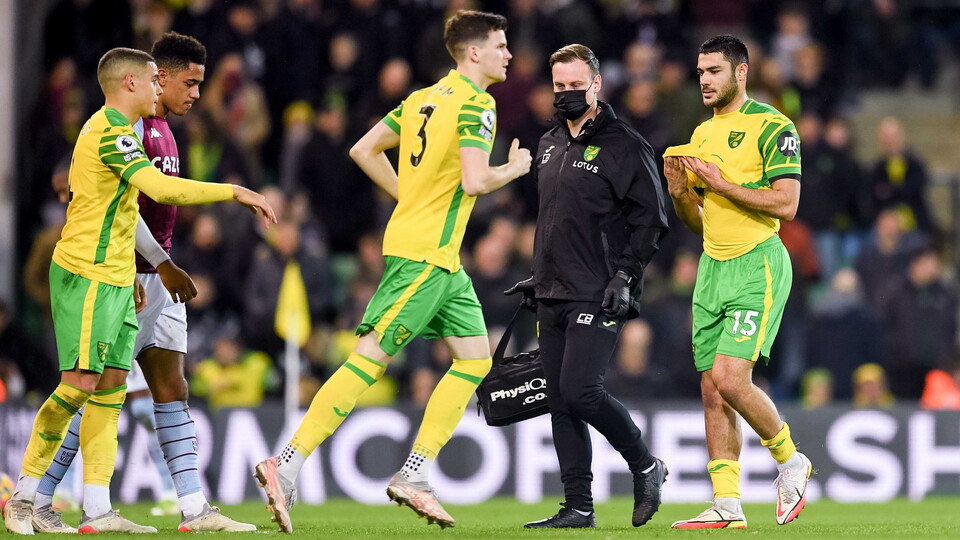
canaries.co.uk: Sam, you have had a long spell out through injury but recently came back into the side in our recent Premier League match against Aston Villa and have played more minutes since. How emotional was it for you to get back on the pitch at Carrow Road?
SB: At the time, I didn’t have too much time to think about it. I was not expecting to come on, especially in midfield but I really enjoyed it. I was a lot more nervous than I thought I would have been but, given the time out and the meaning behind the game – because every game is important and we want to win points – it was just that I wanted to come in do a job and not let anyone down.
canaries.co.uk: Dean Smith said in his post-match media that you came into the side sooner than he would have liked. Did any of those nerves have anything to do with the injury as well?
SB: No, to be fair I have no worries about my leg, it has healed now. I had trained for four months before playing matches and I had played minutes in the under-23s as well. So, it was more just nerves of performing and not wanting to let the team down.
canaries.co.uk: And having played the 45 minutes against Aston Villa and then the subsequent games after that, how much confidence do you take from those games in terms of getting your match sharpness back?
SB: A lot. People always say you can’t get match fitness without playing matches, so it is a catch 22 situation. It is the only way you can get fit, so to keep getting games is my aim; to keep building that fitness and trying to get back to where I was a couple of years ago.
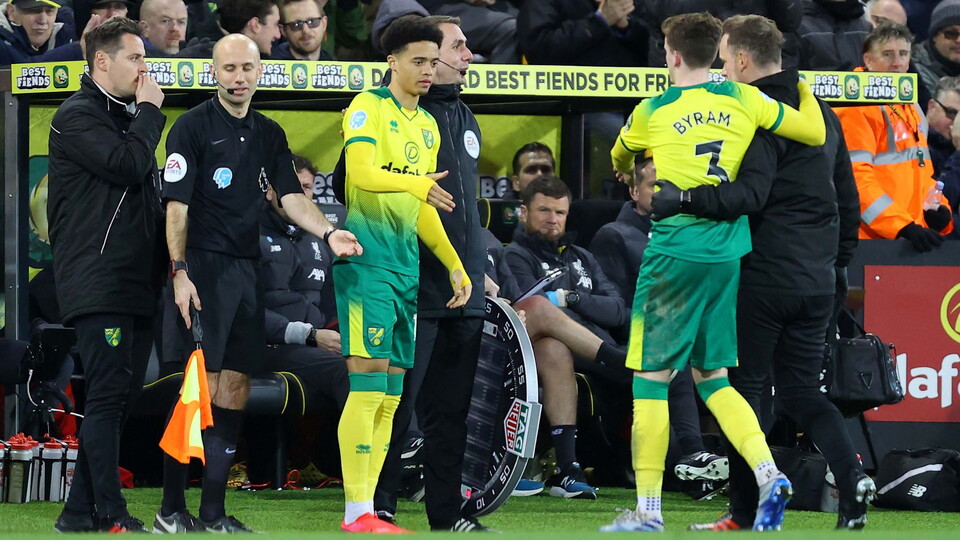
canaries.co.uk: It was in February 2020 when you picked up the hamstring injury against Liverpool, stretching for a ball. Was it an injury where you knew at the time something serious had happened or not?
SB: Not straight away, no. It was a popping feeling. I have watched the video back and you can see me stretching and thinking that felt a bit weird. Then when I got in the changing room it was severely painful and I think it was at that point I knew it was a bad one. I ended up having to have my boot cut off because it was too painful to try and pull it off. Then even up until the scan I knew it was that bad, but I didn’t think it was the severity that it turned out to be. That was obviously a bit of a setback, getting those scan results back and seeing what the damage was.
canaries.co.uk: You had complications with your first surgery as well. Can you just run us through what you had done to the injury and what the complications were?
SB: Yes, basically, where the hamstring tendon had come away from where it was attached, they had to put a screw in and reattach it but down the line – five or six months – I started to get pain around the area where the screw was. We then did another scan and the screw had come loose and it had developed a bit of bone edema, which was the screw wobbling around and creating an inflammatory response in my leg. It was an unstable screw so we as a team – the physios and the specialists – opted for re-surgery to go in and put it right. To add another screw and make sure it was solid and back where it should be.
canaries.co.uk: There was also complications with the second surgery, and it has been a long road back for you. When you had complications with the second surgery, was that the darkest point during your time out?
SB: Yes, I think after the second surgery I had it in my head that we can’t do a third because what else are they going to do. At that point they can’t just put more screws in. The biggest challenge was that I had seen multiple specialists and had multiple injections to try and help with the pain that I was getting and I was having scans and the scans were showing that it was healed – that there wasn’t any issues – but I was still getting chronic pain. I couldn’t sprint and I couldn’t run without being in pain and all these specialists couldn’t tell me why. We had tried lots of different things that hadn’t helped. So that point was probably the hardest because I had exhausted all options and we were running out of people to speak to and things to try.
canaries.co.uk: How did they medically get around that issue?
SB: The head physio kept saying to me it will get better, some things just need a bit more time. He exhausted all options with trying to find a case that was similar that may help us find a way to get on top of my symptoms. We eventually approached a specialist in London who I ended up doing an extended period with, which helped a lot.
I think mentally as well as it got to the point where I didn’t want to be around the training ground because, obviously, everyone wants to know how you are doing but when you have 20 players and 20 staff everyday asking how you are – and it is only good will from them – but I would have to keep telling them ‘it is not good’ and it would get to the point where I would be avoiding people. I didn’t want to speak to people and I was quite reserved, so it was good for me mentally to have a break from the training ground. That then gave me the foundation to come back to the training ground and then kick on with the physios here and take it step by step.
canaries.co.uk: You mention the mental battle there. How tough did you have to be mentally to get through this period?
SB: I think that has been the hardest part by far. I have had a few tough injuries in the past, but they have all gone really smoothly. I had never had any setbacks to the point where I didn’t know what was wrong with the injury or how I could cure it. That was the hardest part when you don’t know what needs fixing. You just kind of take it week by week and hoping something gets better. It has been a tough battle mentally, but I have got a really good support network around me. The club have been unbelievable. They have been so supportive from Stuart (Webber) and the owners, the old manager and the new manager, and all the staff. I can’t thank everyone enough.
canaries.co.uk: Family are very important during these times as well. How much did they help you?
SB: A lot. I was quite reserved through a lot of it. I kept a lot to myself which probably didn’t help me but my partner Charlotte and my family, and my brother, they were always there if I wanted to speak to them. They wanted to see me happy again and that was the main thing for them.
The whole physio department, but Chris Burton especially played such a big role in trying to keep my spirits high as well. We worked so closely for 21 months so he knew when to give me space, when I was angry and frustrated, and when to put an arm around me for support. The same with Glynn Lewis when I was back on the pitch trying to get fit. Both players such an important role, I know for a fact I wouldn’t be where I am today without them, so I can’t thank them enough.
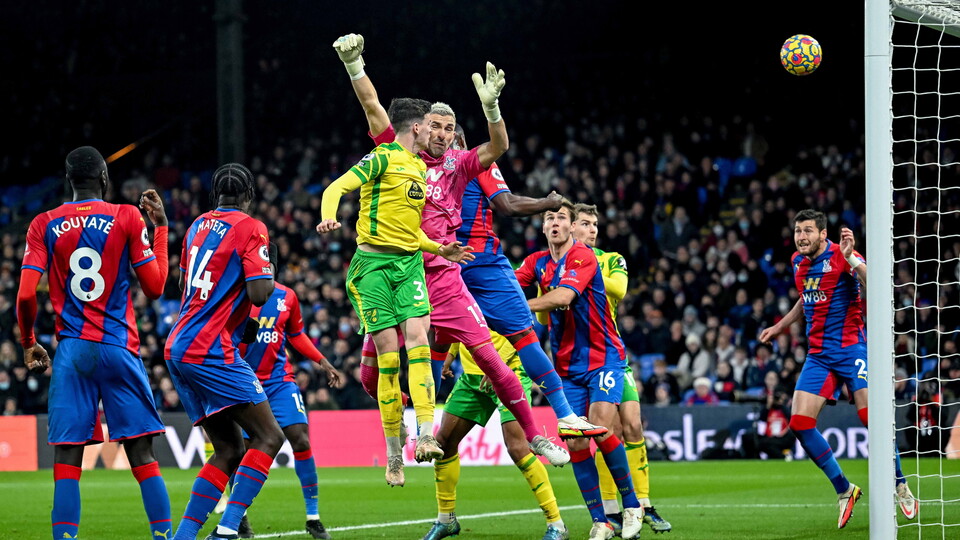
canaries.co.uk: At what point during the whole process did you think ‘yes, it is possible to make a return’ and what was that feeling like?
SB: It was after that extended spell in London. I had come back and started training on the pitch and I had already done a lot of attempts to try and get back on the pitch, so I knew what caused pain and what was stopping me. So, when I had come back and trained on the pitch and the pain had gone, it was the relief. At that point it would have been around 18 months without being able to run without pain and then I could start to do interval runs – three to four-minute runs consistently without pain – and that was the biggest relief that you can imagine. That was the start and then it was a case of not getting carried away and building up slowly because I still had a lot of work to do at that stage to get back into full training and into matches. It was a long process from there, but that was the start.
canaries.co.uk: Where there any messages of good will that you got from the wider football world during your time out that surprised you or helped you on your road back?
SB: I had a lot of players from my past clubs that have text to ask about how I am getting on. And when I played my first game back, I had a lot of nice messages to say ‘it is great to see you back’. Michail Antonio, who I was really close with at West Ham, he has had a couple of bad hamstring injuries, so he has got a sense of what it is like, and he kept in touch along the way and asked how I am getting on. So, everyone has been really supportive and nice to be fair.
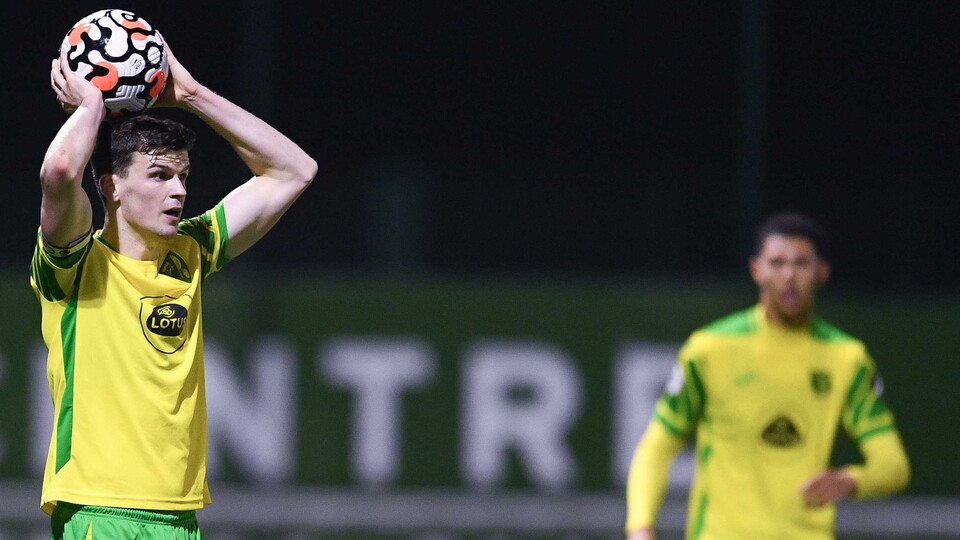
canaries.co.uk: And what has the reaction been from the lads here? How much of a help have they been?
SB: Yes, good. You can tell it is such a good group of lads. I think they are as pleased as I am for myself because I know a lot of them will have seen how frustrated and upset, I was and every emotion that I have gone through. They will have seen me come off the pitch struggling. So, seeing that I could train with a smile on my face, they were just as happy as well.
canaries.co.uk: Looking forward now what does the next few months look like for you in terms of personal aims?
SB: I think from where I have come from, it is to try and play as many games as I can. I know we have got a very competitive squad, but I will train every day, 110 per cent, and I will give everything in whatever position the manager might need me. I will be there and ready. For me, because I have missed so much football my main aim is to play football and help us stay in the league.