
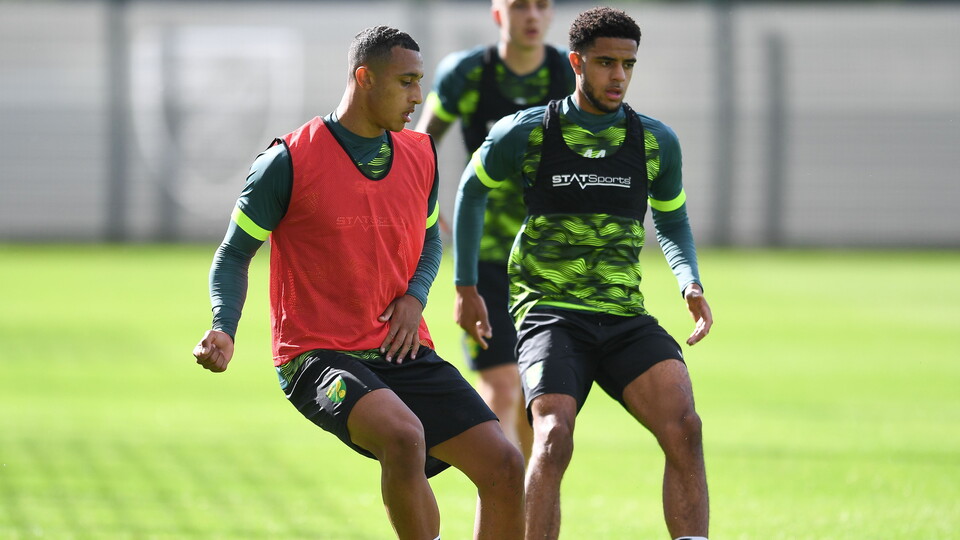
Norwich City duo Adam Idah and Andrew Omobamidele recently sat down with BBC’s Football Focus to discuss their pride as black Irish players, Black History Month and more.
The pair began by talking about the challenge of becoming a professional footballer in England when coming from an Irish background.
“Coming from Ireland, I think we had to work a little bit harder," Omobamidele said. “If you’re from England, the professional clubs are closer to you. In Ireland, you need scouts to come out and watch you and you need to go out on trial, so I always feel like Irish players have that bit more hunger and desire to play at the top.
“It gives you that little bit more motivation to move over to England,” Idah added. “You’re hungry to get away and I think that helps you to move abroad when you’re a bit younger.
“Andy’s annoying me every day, but it’s good to have a fellow Irishman! We play in Ireland together as well so we can chill together and talk about things when we’re there so I enjoy it a lot.”
Both Norwich City Academy graduates have had an exciting few years in football, making their Premier League debuts and representing the Republic of Ireland national team.
“It’s crazy and shows how fast football can change because at the start of last season I was playing Under-23s football,” Omobamidele said. “Come Christmas, I was training with the first-team, then there were a couple of injuries and the opportunity was right in front of me in the space of a couple of weeks so I had to be ready to take it.
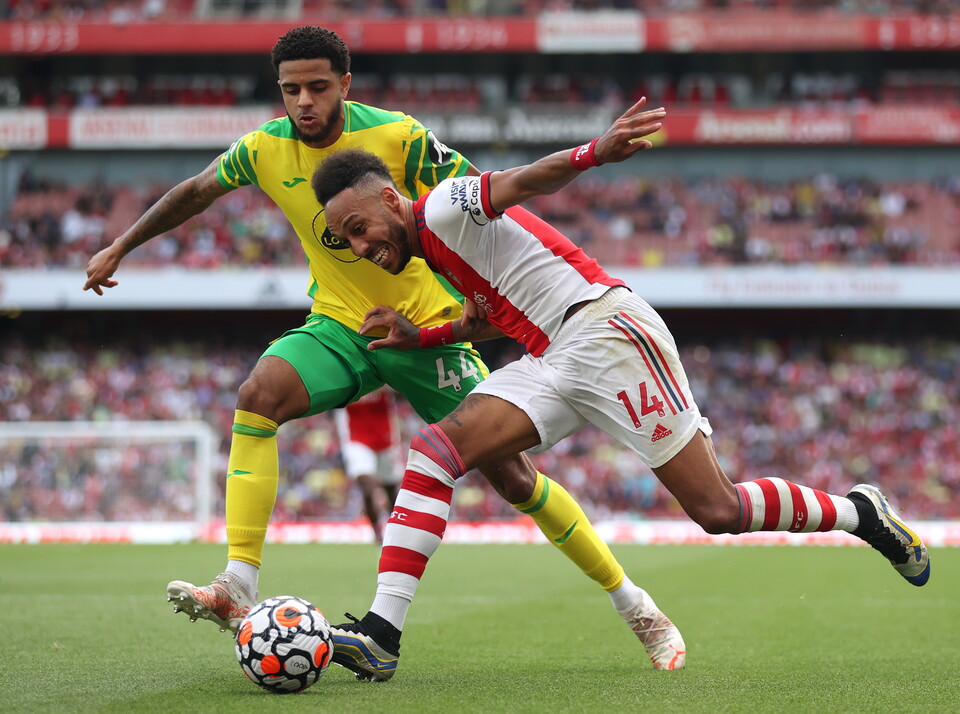
“I was lucky enough to play all of the pre-season games and just missed out on the first few league matches. When I made my debut against Arsenal, it was crazy at the Emirates with the fans. It’s a moment I won’t forget.
“The best feeling was when we were walking out, especially at Arsenal which is a well-known club. At kick-off, you’ve got to get yourself in the zone but I think the build-up to the game were the best moments for me.”
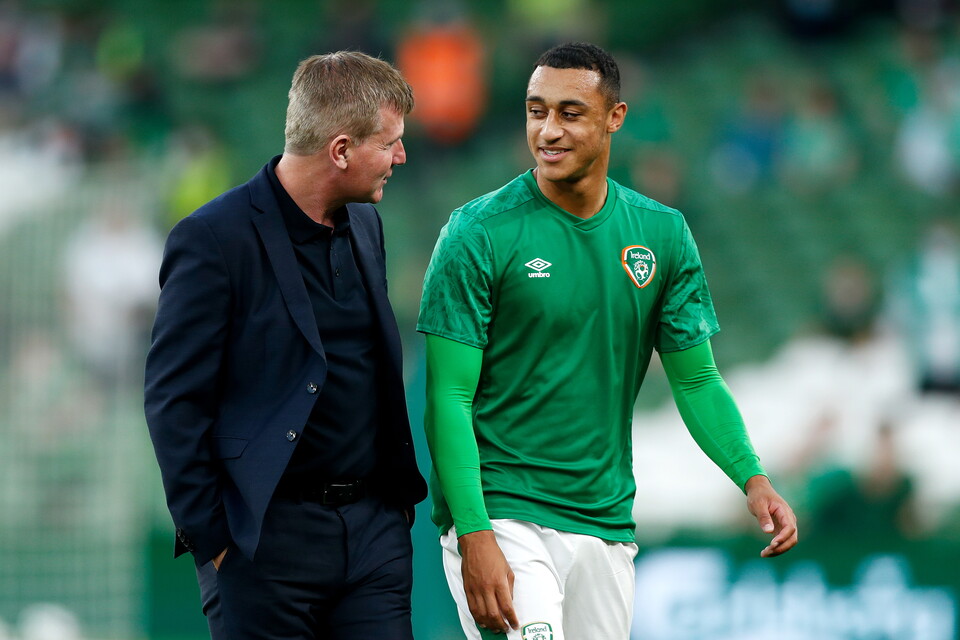
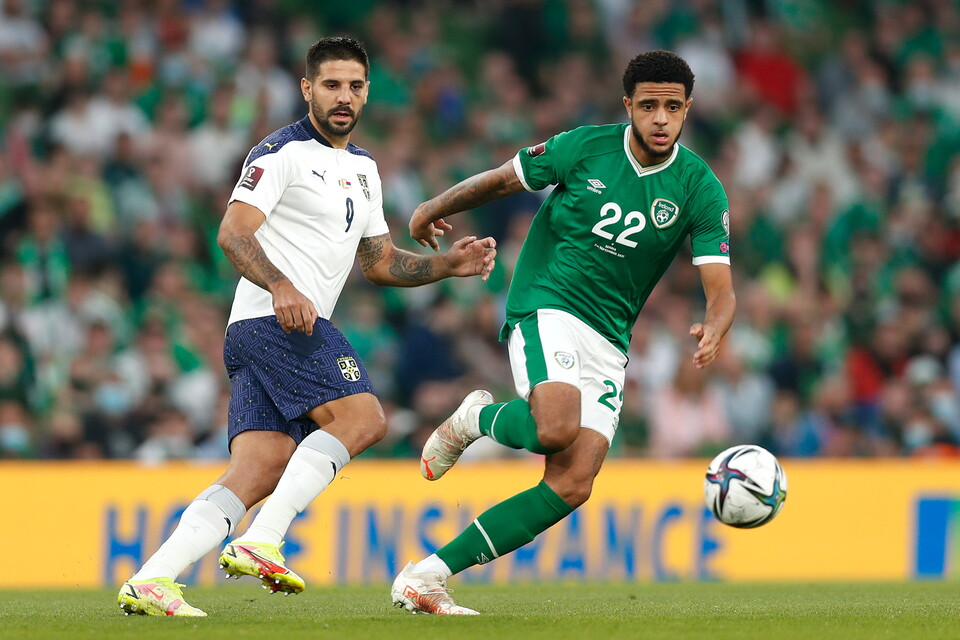
On international level, both players are full of pride to pull on the green shirt in front of the Irish fans at the Aviva Stadium.
“It’s an unbelievable feeling and I’m very honoured to be in the team, but there’s a lot of hard work to go,” Idah said. “I’ve been there for a year now, Andy has been for a couple of months.
“There are players in the team that have been there a couple of years and have got loads of caps, so we’re still working very hard and it’s an amazing feeling to be playing for Ireland and being a part of that team.”
With October dedicated to Black History Month, Omobamidele and Idah were keen to discuss the experience of growing up as black Irish players.
“I was lucky enough to play in a really diverse team during my schoolboy years,” Omobamidele explained. “We had players from all kinds of ethnicities so I never really had a problem in football terms. I think I was lucky because maybe some other teams down in the farms of Cork might not have been like that.”
“I had a really good childhood and upbringing,” Idah added. “The people I had around me - all my friends and family - were all great and supportive.
“Playing football back home was the best part of my childhood for me, being with all my friends and training every day. It was great and I loved growing up there, I didn’t have any problems when I was playing football.
“You get people from lots of different backgrounds and cultures that you meet every day, especially in that age group. There are loads of kids that come out training so you’re meeting different people every day and that helps a lot. As you grow older, you’re still friends with some of them.
“It’s great to be a part of. We’re celebrating Black History Month this month and to see black Irish players, not just in football, but in all different sports coming through is great. We’re still educating people on things like this, so it’s a really good feeling and hopefully we can carry on going.”
Omobamidele added that inspiring young black Irish players gives him and his teammates immense pride.
“Obviously, it’s an unbelievably proud moment to wear your country’s jersey, but on the flip side of it you’re kind of inspiring younger players, maybe that are of a different ethnicity,” he said. “They’re looking at Adam and saying ‘if he can do it, I can do it’.”
“We might not know it now, but we’re role models to the kids back in Ireland,” Idah agreed. “Like Andrew said, they will look up to us and think they can do it as well and that’s a great feeling.
“Probably my biggest idol back in Ireland was Robbie Keane. He was a striker who was scoring goals, but Roy Keane was such a great leader for Ireland and Manchester United, so those two players are big role models for me.”
“For me, I have to say John O’Shea,” Omobamidele said. “In terms of winning trophies, he’s completed it - Champions Leagues, Premier Leagues.
“Another one is Shane Long. I know he’s a striker and I’m a centre-back but I just think of some of the big moments in Irish football history, even if they’re not too long ago, he’s one of the names that pops into my head. What he’s done for the country, I think it was the game against Germany when we won 1-0 and he scored off of Darren Randolph’s goal-kick, memories of that stick with me.
“The way the country was and the joy it brought people is why I hold him as one of my role models.
“One of my black role models was Rio Ferdinand. Even now, what he’s done after retirement with the TV shows and everything off the pitch, I think he’s the perfect role model for any aspiring footballer, or even one that’s coming to retirement.”
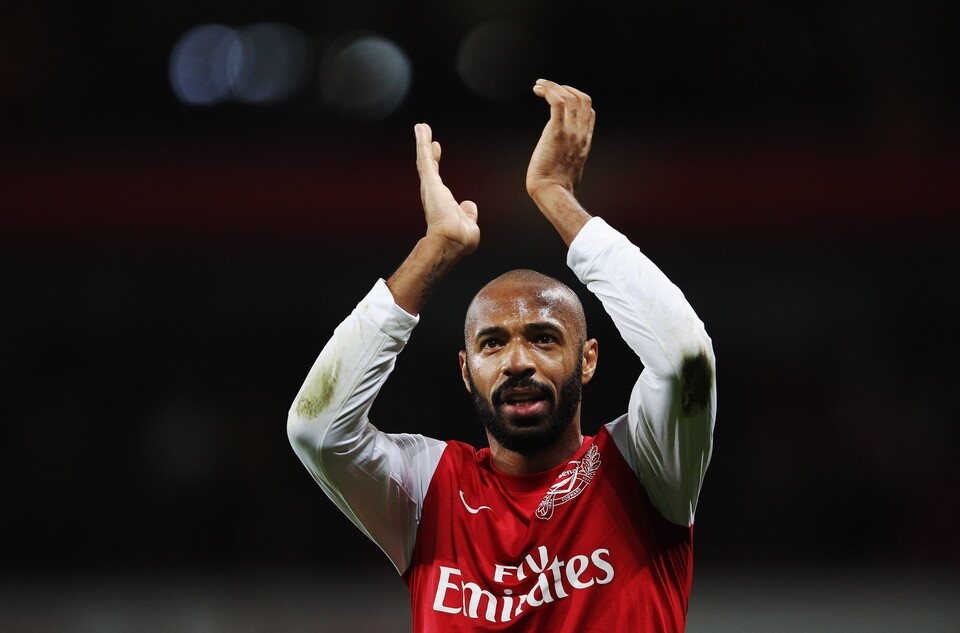
“My favourite player was Thierry Henry when I was growing up,” Idah said. “I remember watching him when he was at Arsenal and the way he played was unbelievable.
Idah and Omobamidele are among an increasing number of talented black Irish players, and are both optimistic about what the nation’s new generation can achieve.
“There are a lot of new players in the team now,” Idah said. “It’s still quite early and we’re still getting together. In the last international break, we played one or two games so that was a fresh start for us and we just need to keep building on that.
“Everyone’s looking forward to the future and there are a lot of young players in the squad now. Hopefully, we can bring back the memories we have from before.
“Sometimes, when we’re on the team bus for Ireland, you look out the window and see all these little kids waving at the bus. You just have to think to yourself ‘that was me not long ago’.”
“We still have a lot more developing and learning to do with more experiences to be had, but it feels great that we’re already inspiring younger people back home at this early stage,” Omobamidele added.
“We were in their shoes and we know how hard it is to get over the water to play here. We know what it takes to come through the academy system, so it’s good to be a role model for them.”
Asked what Black History Month means to them, both players acknowledged the change it can help to achieve while pointing out that more can be done going forward.
“It means a lot,” Omobamidele said. “Personally, I don’t think all of black history should be celebrated in one month of the year. It should be taught more in schools and put into the education systems, but we’re moving in the right direction.
“We just need to put one foot in front of the other and keep moving forward. It’s a great time to show how deep black history runs in years before.”
“I’m a big believer in educating,” Idah added. “When I was back in school, we never got taught about racism or anything like that. Having Black History Month educates a lot of people. The media are getting it out there quite a lot and hopefully people can learn about black history.
“Being born in Ireland, for me putting on the Ireland shirt and playing football games, you just think ‘wow, I’m playing for my country’. There are so many people that want to play for this country and I’m representing them. Being half-Nigerian as well, I am proud to be Irish and black.”
“Putting on the Irish jersey, sometimes you don’t really realise it, but then maybe after the game you feel the response of the crowd and how they back us,” Omobamidele said. “When we’re coming to games, we’re playing Irish music on the bus on the way to the Aviva and you see young kids as well as the older generation. Seeing Irish people supporting and walking to the stadium, it hits you then.
“Obviously, it’s football that we’re playing, but it’s kind of more than that because you’re lifting people up. We’ve got the Covid-19 pandemic, so if we can win a game at home in front of 25,000 Irish people, it just lifts them up.”
Finally, both players were asked whether the Irish music had caught on in the Carrow Road dressing room.
“No way, we tried but they’re not having it,” Omobamidele admitted.
“It got turned down too quickly,” Idah added.